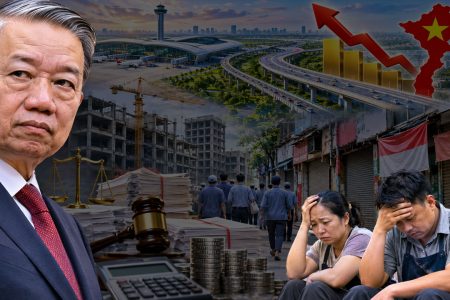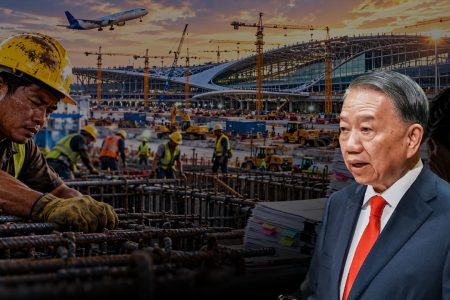
The decision to open a special credit quota for 18 projects by three major private conglomerates—with a total capital requirement of over 752 nghìn tỷ đồng—is not merely a technical matter of monetary policy; it has become central to the stability of the entire national banking system.
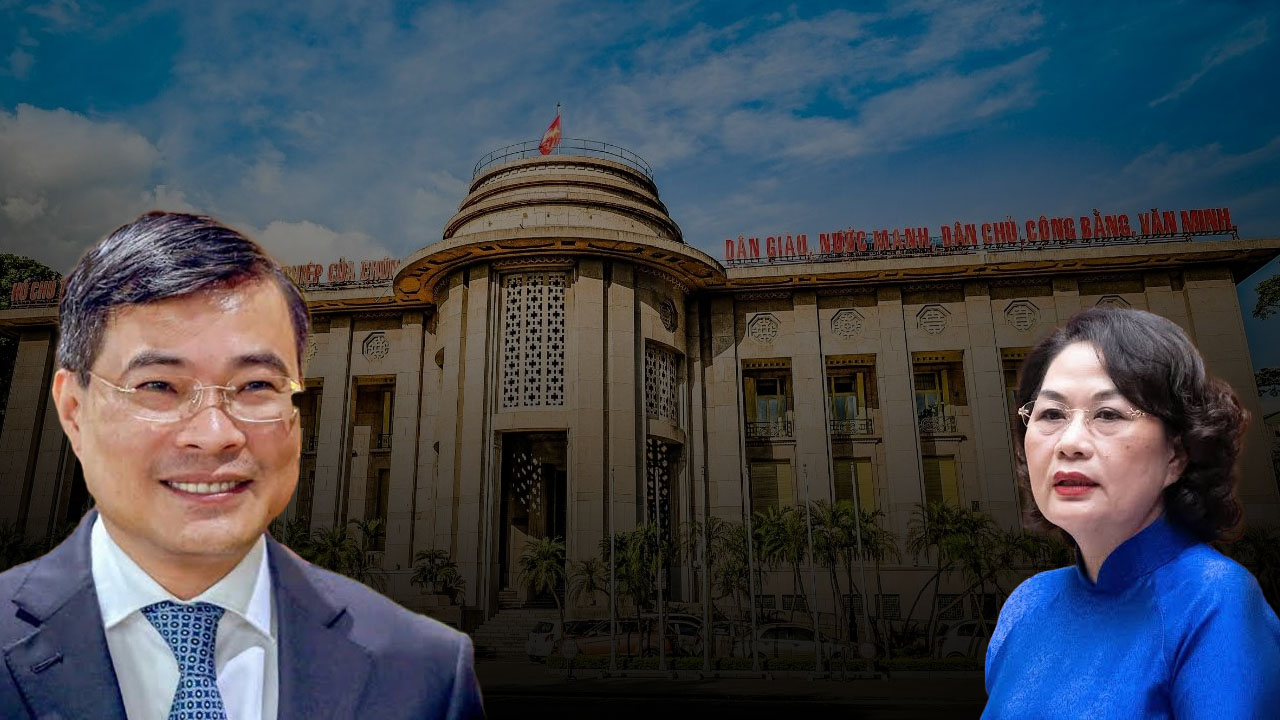
Accordingly, through its guidance documents, the State Bank of Vietnam has excluded new outstanding debt from this group of projects when calculating the annual credit growth limit.
According to financial experts, in theory, this exemption mechanism does not mean that credit institutions are permitted to relax their due diligence or automatically receive a government guarantee. Rather, commercial banks must still bear the highest legal responsibility for their own disbursement decisions.
However, when these figures are viewed within the context of the actual financial market—where an excessively large capital base exists amid tight liquidity—they are raising deep concerns about the transparency and risk levels of the entire system.
This unease is entirely justified when examining the core macroeconomic indicators of the banking system as of mid-2026. The economy-wide credit growth rate reached approximately 6.38%, while the deposit growth rate stood at only 4.37%, pushing the loan-to-deposit ratio to an alarmingly high level of 111 to 112%.
This indicates that banks are struggling to meet the medium- and long-term capital needs of mega-projects amid severely strained liquidity. The injection of massive amounts of capital into the hands of large “crony capital” groups raises serious questions about opportunities for the rest of the economy.
This is particularly true for the access to capital for millions of small and medium-sized enterprises (SMEs) and individual business households, which are already struggling to make ends meet following successive rounds of financial tightening.
Beyond the pressure from real estate credit, the State Bank of Vietnam’s latest move—deciding to inject 40,000 tỷ VND to purchase USD from commercial banks while tightening the mandatory foreign exchange swap mechanism through the formal banking system—is particularly concerning. This reflects an undeniable reality: government regulators are facing a severe foreign currency shortage.
While the burden of public debt weighs heavily and domestic budget revenues have been drained by taxes and fines amounting to trillions of VND, these cash flow fluctuations have led the public to speculate about extreme scenarios.
Numerous opinions from the international critical community have questioned recent controversial draft laws and proposals to relax regulations regarding organ donation, further revealing the underlying panic of Ba Dinh’s leadership as they seek every means and at any cost to ensure the regime’s survival.
The link between financial security and the stability of the political elite has never been so fragile. When the lifeblood of the economy is controlled by opaque, self-serving decisions, any shock—whether from delays, cost overruns, or the inability of mega-projects to repay debt—could trigger a dangerous domino effect, pushing the credit system to the brink of a chain collapse.
Bank capital can be easily unlocked through policy documents driven by political directives, but social trust and the stability of an economy cannot be built by risking the public’s deposits.
The public has the right to demand absolute transparency regarding cash flows, collateral, and specific risk-management plans, because if this financial structure collapses due to the calculations of special-interest groups, the price to be paid will be the complete collapse of public confidence in the stability of the regime.
Trà My – Thoibao.de
=======
A Risky Gamble to Save the Top Echelons of Lê Minh Hưng and the Banking System?
“… The decision to grant massive credit limits to large, well-connected conglomerates exposes systemic risks and the urgent pressure to secure resources at the highest levels.”
#Vietnam #ChinhTruongVN #Thoibao