In recent days, public opinion has been abuzz over the shortcomings of the safe distance fine ordinance on expressways issued by the Ministry of Public Security’s Traffic Police. This decision—which is said to have been made “out of the blue”—has resulted in a series of significant losses in terms of time and money.
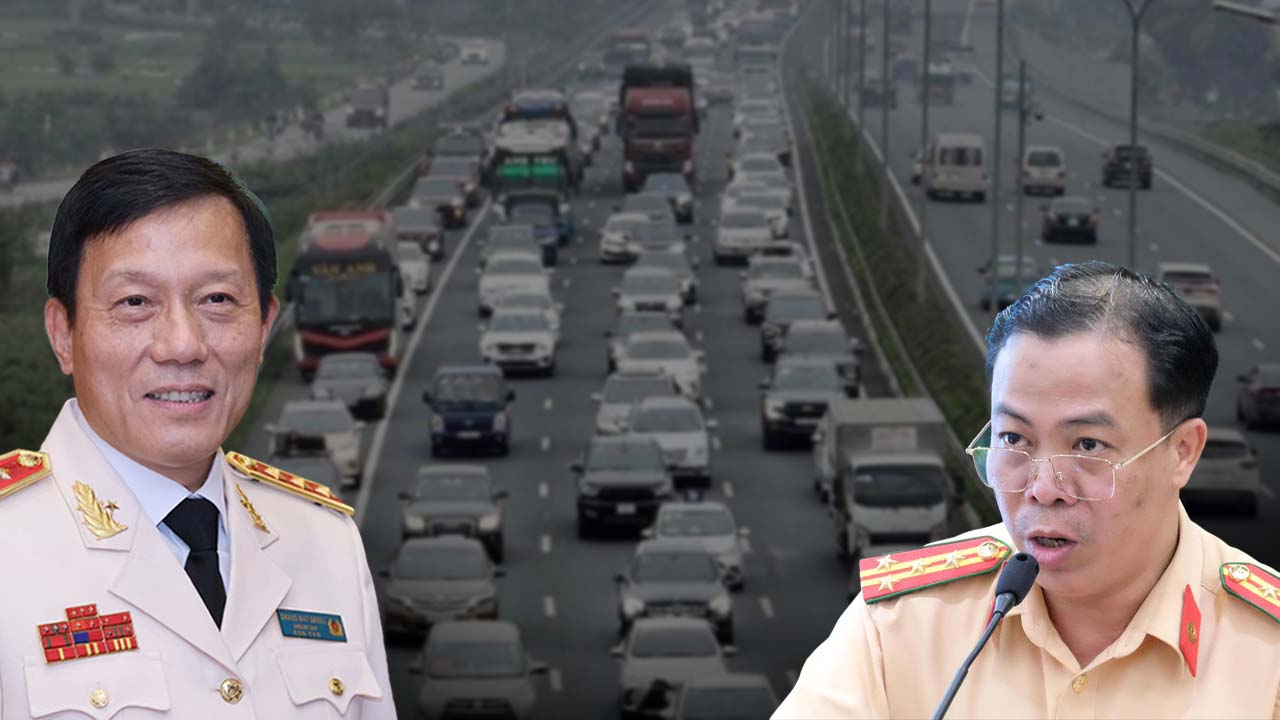
The immense consequences of this regulation extend far beyond causing traffic congestion—with vehicles idling in line—posing a risk of severe damage to the economy while also undermining the rule of law.
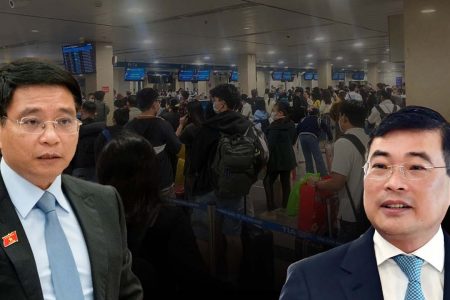
The reality at the capital’s entry points ahead of the September 2 holiday revealed a picture of infrastructure gridlock. On the afternoon of August 29, 2026, the elevated Ring Road 3 and the Phap Van–Cau Gie interchange experienced extremely severe congestion.
Long lines of cars were packed tightly together, inching forward meter by meter; many drivers spent over four hours just to travel a mere few kilometers. Even though the traffic police mobilized 100% of their personnel to direct traffic, the traffic pressure showed no signs of easing.
According to analysts, the ultimate purpose of the highway system is to optimize travel time and ensure the swiftest and safest flow of goods.
However, the rigid enforcement of distance regulations has turned highways into roads where drivers dare only move cautiously, out of fear of being fined—completely negating the speed advantage of this expensive infrastructure.
Current fines are very heavy relative to people’s incomes; a single violation can result in a fine of 3 to 6 million VND, plus demerit points on the driver’s license, with virtually no opportunity for appeal.
So, is such an arbitrary and harmful policy falling into the trap of “all talk and no action”—a chronic problem in policy enforcement when faced with grim realities stemming from the mindset of “right in the morning, wrong in the afternoon”?
Time is of the essence, and under public pressure regarding the risk of significant economic damage, a representative from the Ministry of Public Security unexpectedly rushed to announce conciliatory adjustments on August 31, 2026.
Accordingly, the Traffic Police Department stated that it would only penalize vehicles that intentionally violate distance regulations on road sections equipped with adequate signage and standard lane markings.
What is most noteworthy is that the latest announcement states the focus will be on enforcing regulations against commercial transport vehicles, while for private vehicles, enforcement will be limited to public awareness campaigns and guidance.
This statement immediately sparked questions regarding fairness and the principle of the rule of law.
The law is a universal standard that applies equally to all road users; it does not permit the Ministry of Public Security to arbitrarily discriminate between different groups, thereby creating unequal treatment.
Furthermore, expressways are built to serve economic development needs. If vehicles are diverted off the expressways back onto national highways, the strategic purpose of developing the expressway system will be completely undermined.As a result, travel times will increase, logistics costs will skyrocket, and the economy will suffer immeasurable damage.Moreover, the public is asking: Will those who were previously fined be refunded, given that policies keep changing in a “consistently inconsistent” manner?An administrative policy issued hastily without a proper assessment of its real-world impact will quickly reveal its flaws. The arbitrary interpretation and application of legal regulations by Ministry of Public Security leadership are creating a sense of anxiety throughout society. The “distance fines” have once again highlighted the bureaucracy in the Public Security sector’s management. Without a shift in management mindset and greater transparency, society as a whole will pay a very high price.Trà My – Thoibao.de